
Urban Development and Residential Real Estate in Bangalore
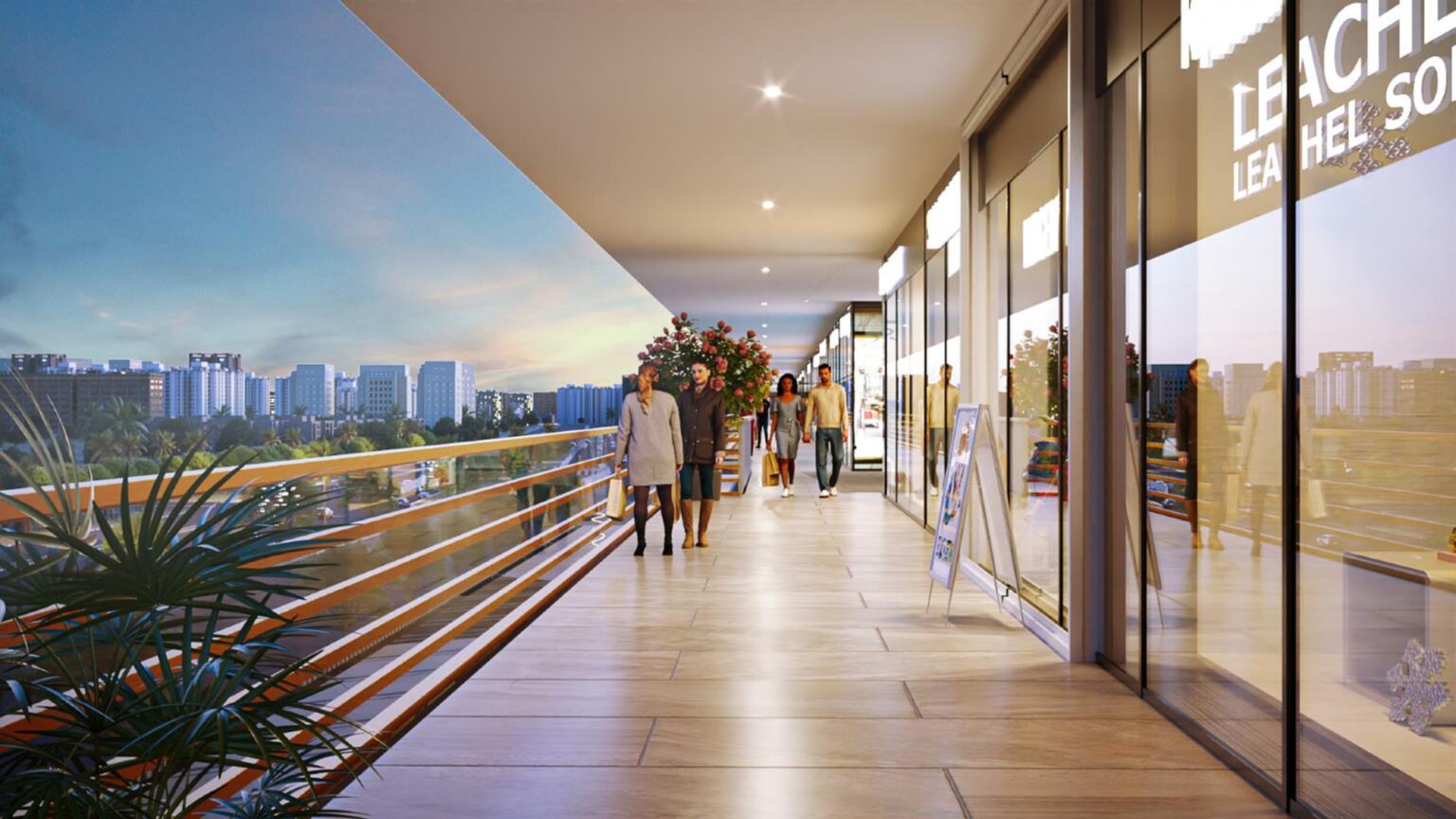
The evolution of Godrej Bannerghatta Road Bangalore, often referred to as the “Silicon Valley of India,” has been characterized by rapid urbanization and the expansion of residential infrastructure into peripheral corridors. Bannerghatta Road, a major arterial route in South Bangalore, has transformed from a suburban periphery into a high-density residential and commercial hub. This transformation is driven by the city’s demographic shift, the influx of IT professionals, and the strategic expansion of real estate developers who capitalize on the proximity to educational institutions and healthcare facilities.

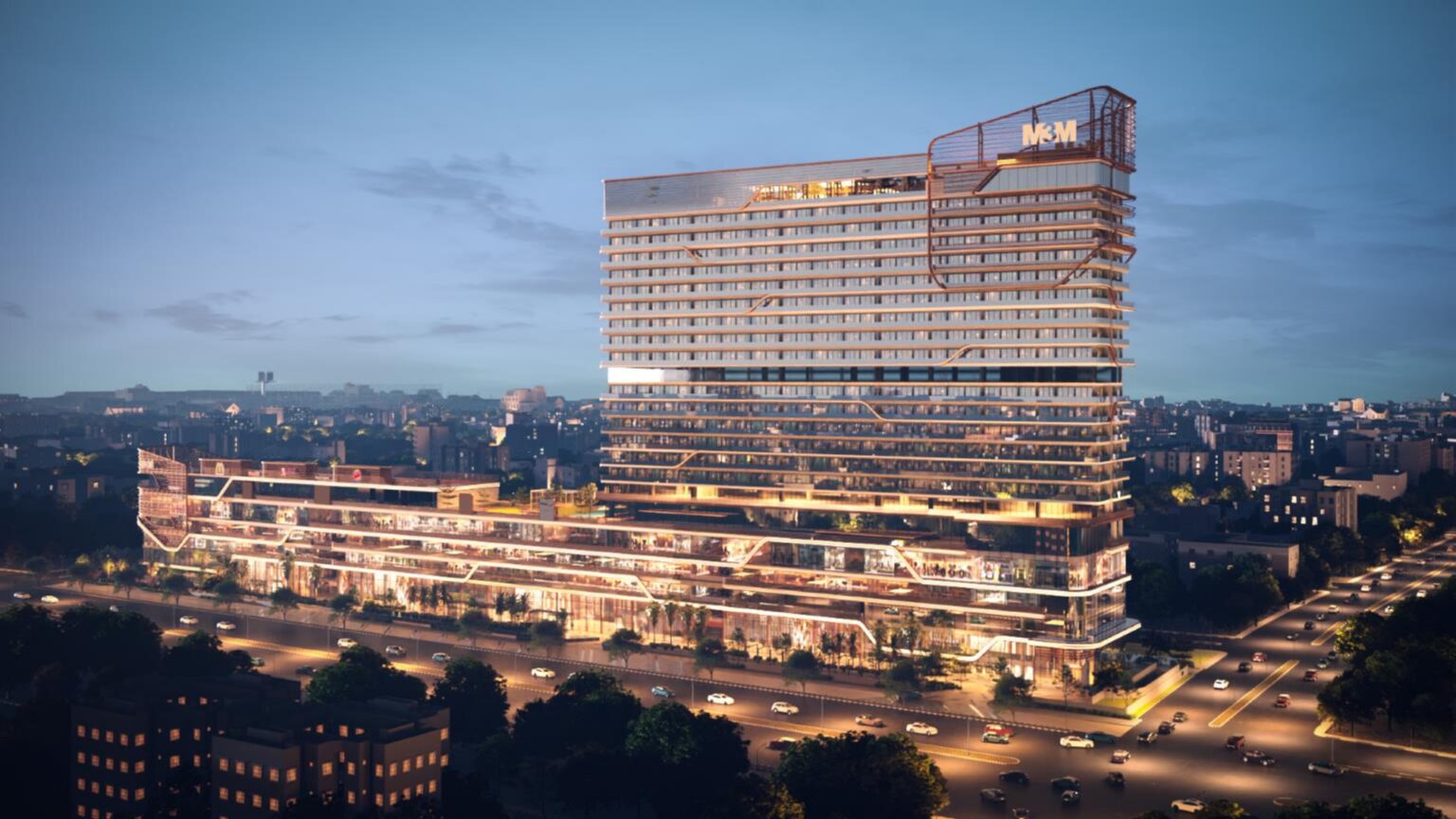
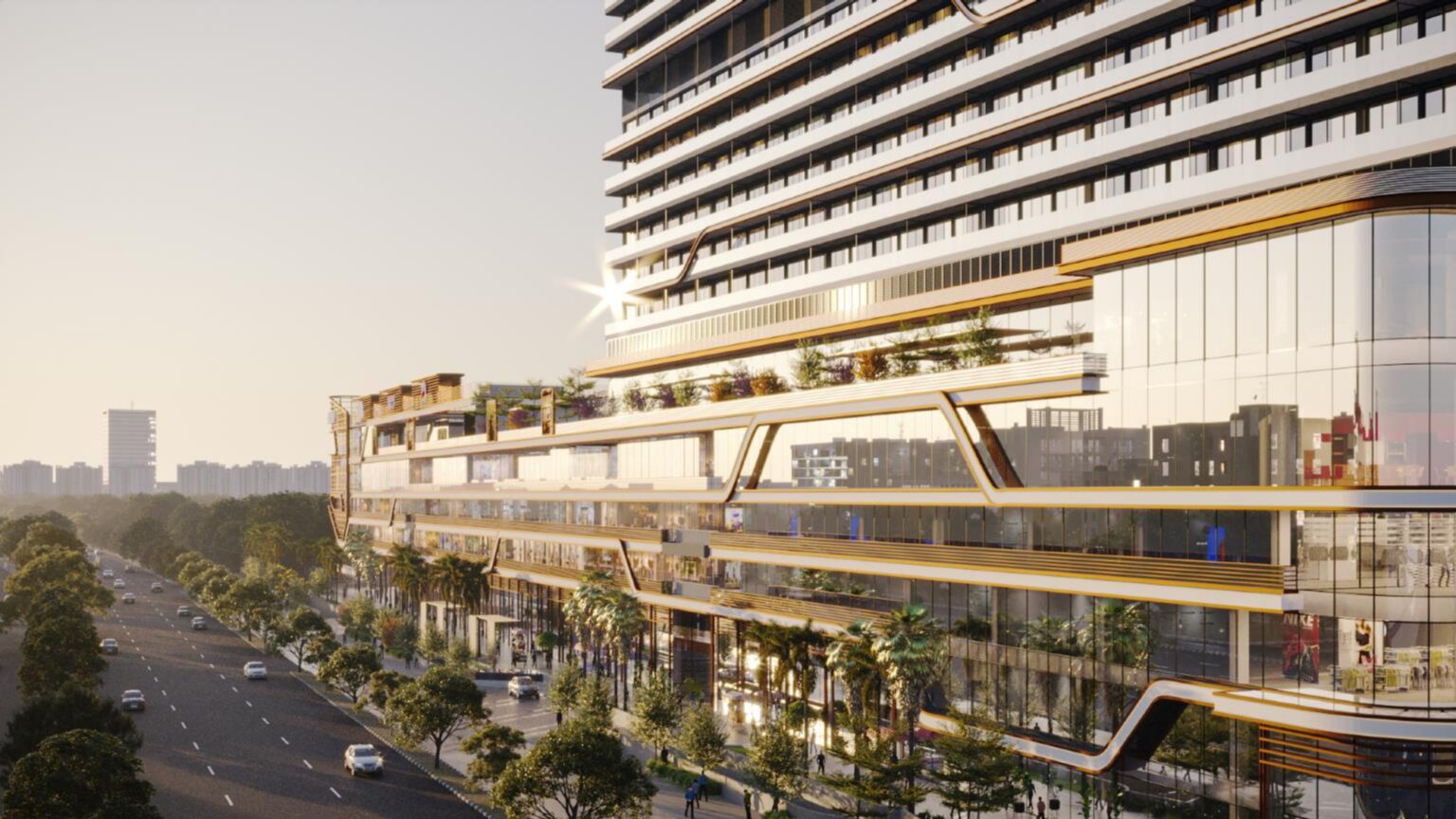
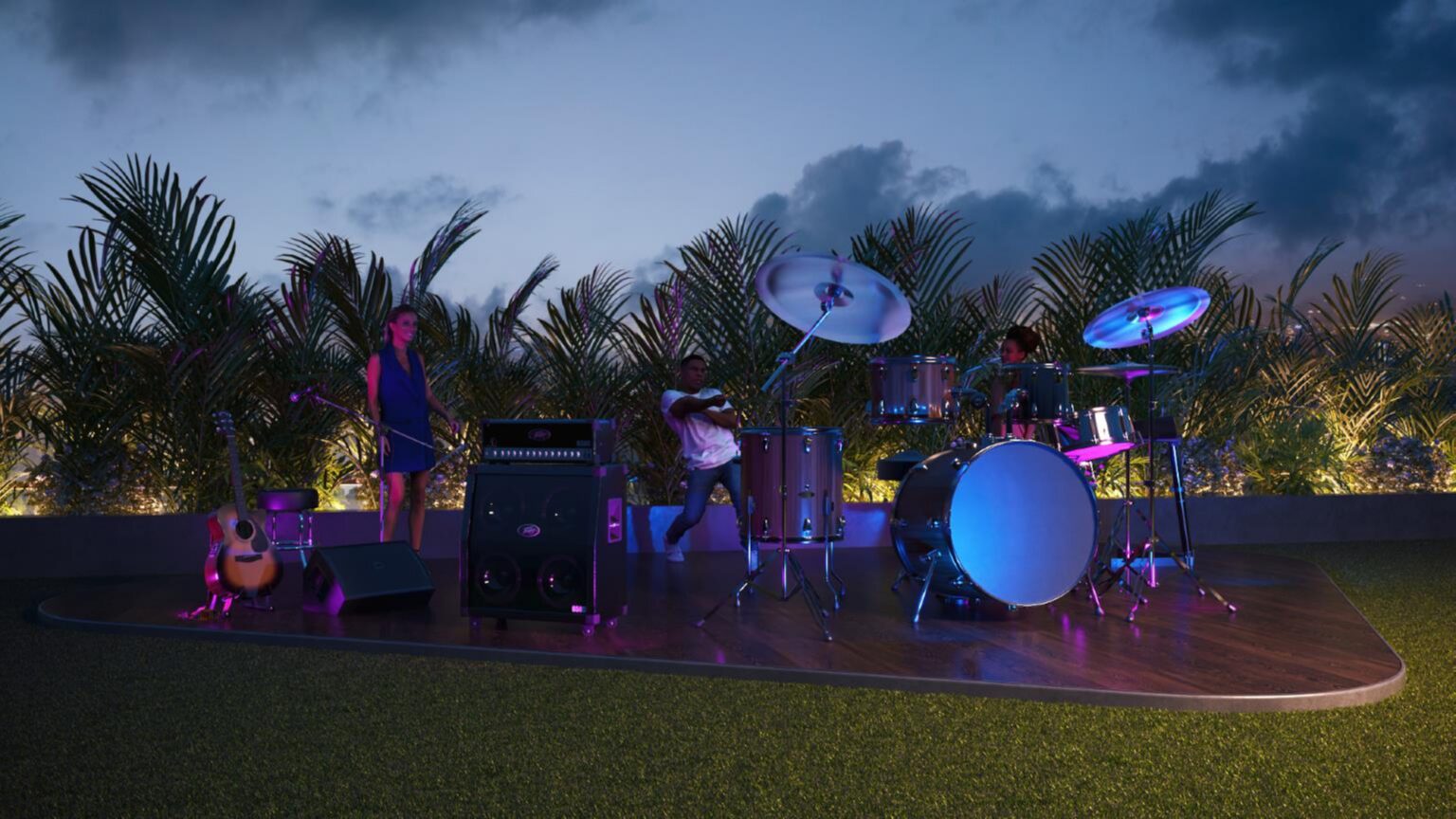
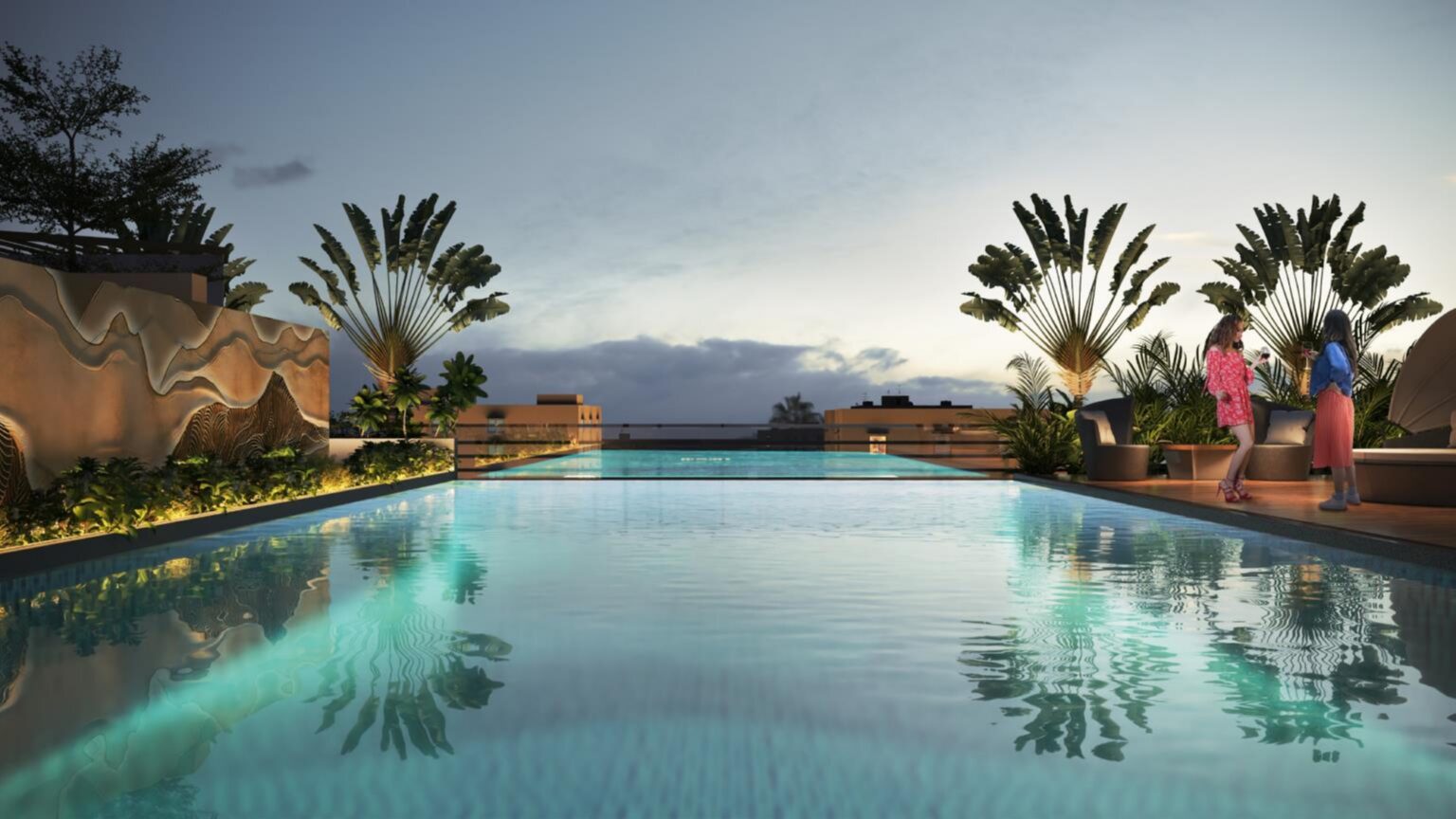
The development of large-scale residential projects, such as the Godrej Bannerghatta Road development, reflects broader trends in Indian urban planning where developers focus on “integrated townships” or high-rise communities. These projects typically occupy significant land parcels—in this case, 36 acres—to provide a self-contained living environment. The architectural trend in these developments, characterized by high-rise structures (often exceeding 30 floors), is a response to the rising cost of land and the necessity to maximize the Floor Area Ratio (FAR) within the city’s expanding limits. Economists note that such developments are essential for accommodating the growing urban population, though they place significant pressure on existing municipal infrastructure, including water supply and traffic management systems.
Economic and Structural Dynamics of Modern Housing
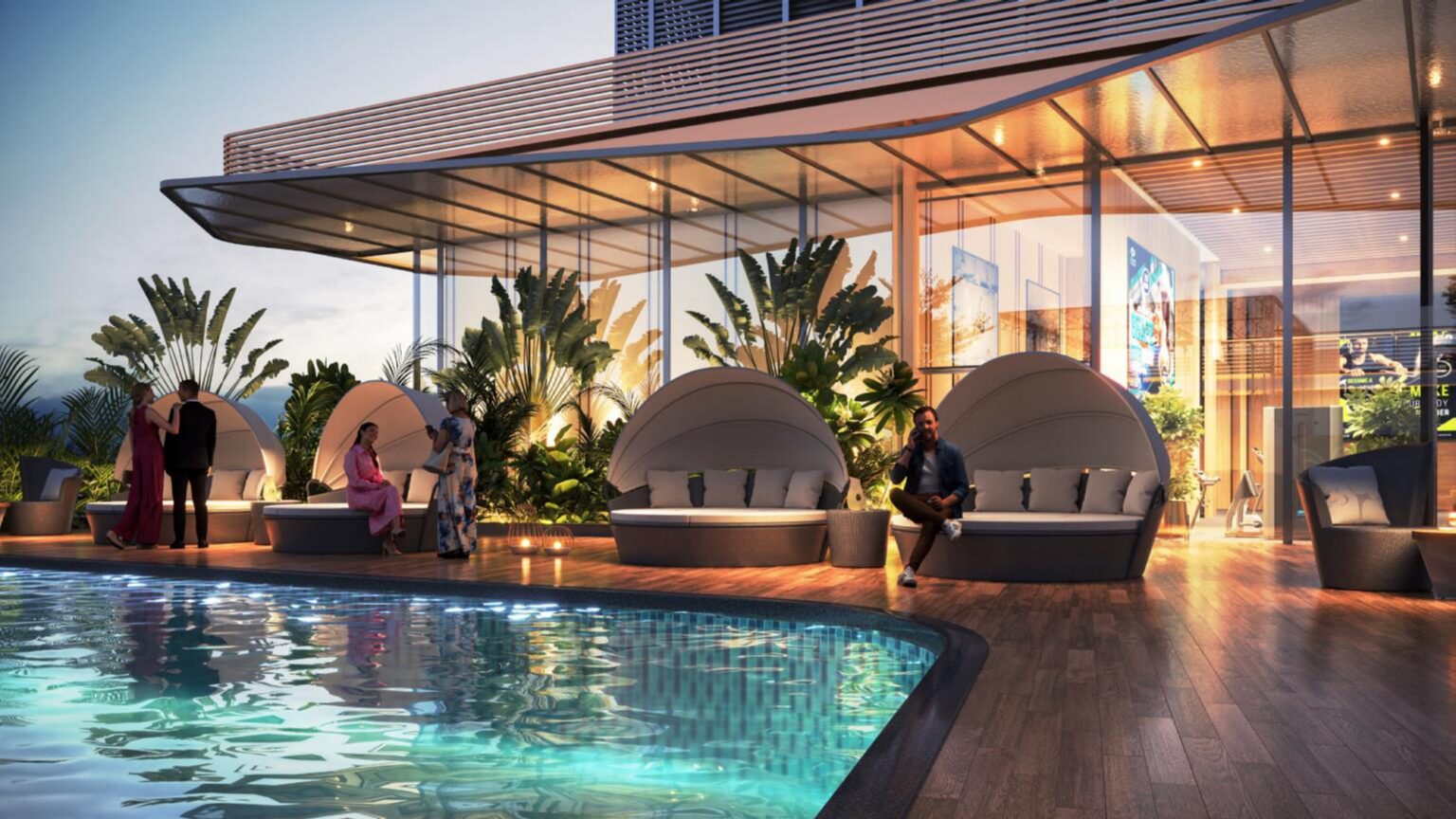
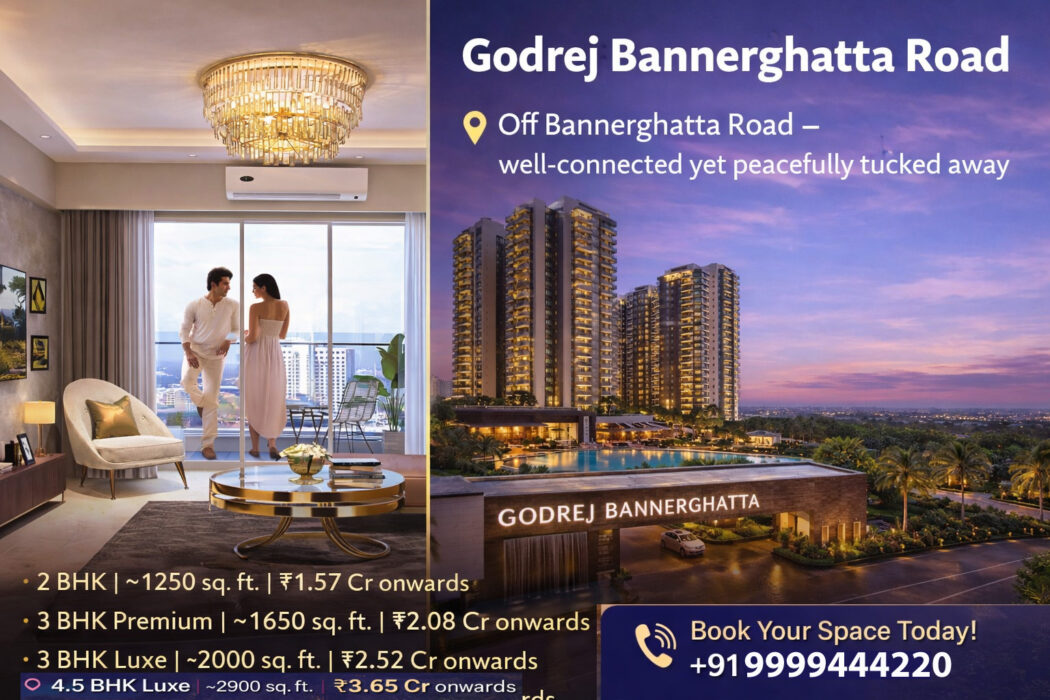
The real estate market in Godrej Bannerghatta Bangalore is heavily influenced by the “A-grade” developer model, which emphasizes amenities, Vaastu compliance, and proximity to social infrastructure like the Greenwood High School campus. From a structural perspective, the engineering of high-rise buildings in seismic zones requires adherence to strict building codes. The cost of such luxury developments is often calculated based on the total square footage and the premium associated with the location’s connectivity to the city center. For instance, the starting price point of ₹1.57 Crore for a 2 BHK unit in the Bannerghatta corridor illustrates the premium placed on modern, high-rise living in South Bangalore.
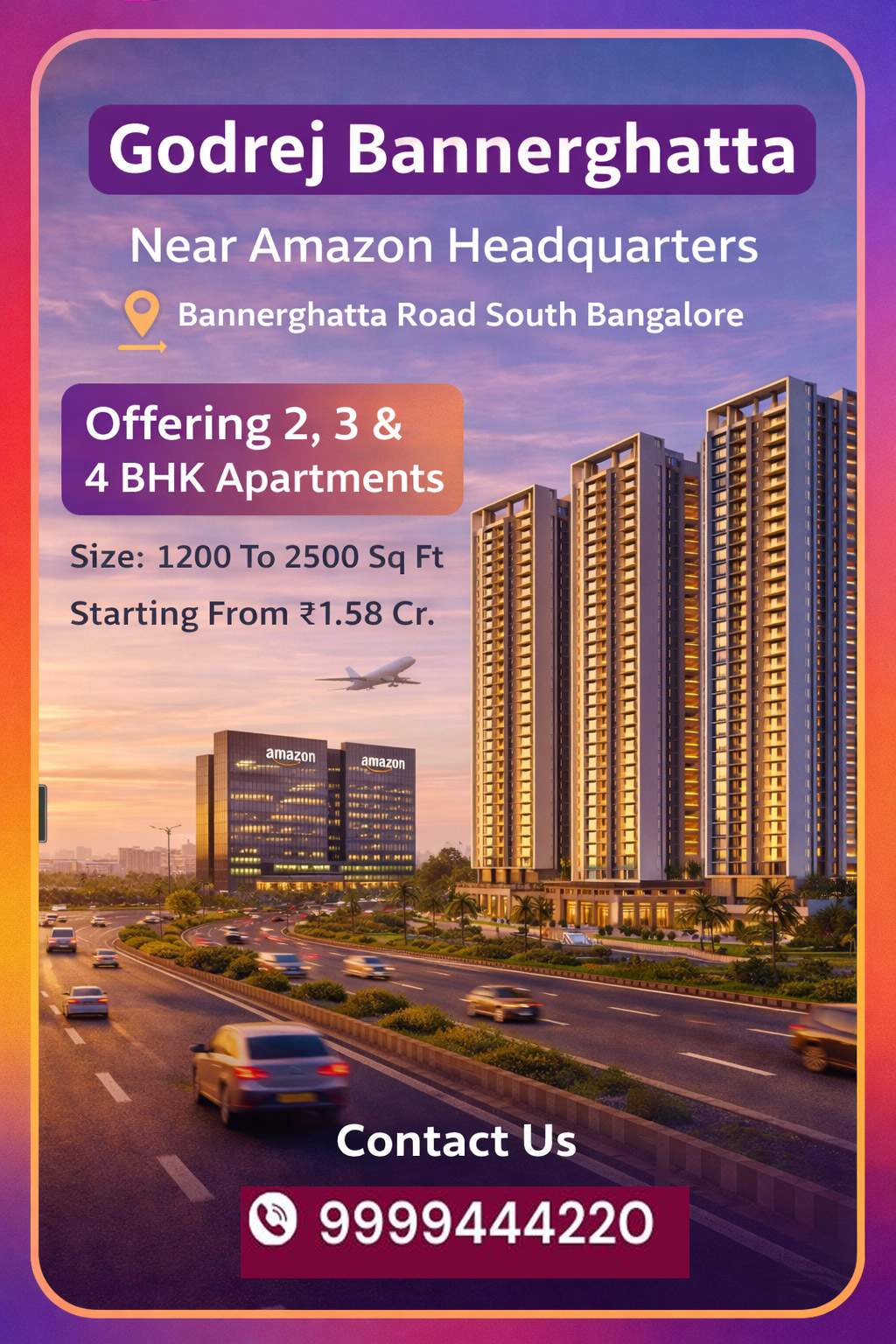
The long-term sustainability of these projects is often evaluated through the lens of urban density and the “five-year possession” model, which allows for phased construction and capital recovery. Godrej Bannerghatta Price Bangalore continues to grow, the integration of residential clusters with public transport and road networks remains a critical factor in the valuation and success of these large-scale projects.
Would you be interested in learning more about the historical evolution of urban planning in Bangalore or perhaps the specific architectural challenges involved in constructing high-rise residential towers in South India?